
AUGUST 26, 2026 — More than 100,000 Virginians have lost SNAP since H.R. 1, also known as the “Big Beautiful Bill,” took effect last year. At the same time, food remains expensive, health care is becoming less secure, and food banks are seeing more neighbors turn to them for help.
- Food costs remain high. Grocery prices have risen 33% since 2019, and USDA projects additional increases well into 2027.
- Pantry visits are climbing. Food banks are reporting more pantry visits, with some seeing numbers surpass even the peak of the pandemic.
- Wages lag behind costs. Even with recent increases, wages have not kept pace with the cost of living in many parts of the Commonwealth.
- Fewer donated groceries are available. Retailers, farmers and manufacturers are operating more efficiently, leaving less surplus food for donation.
- USDA food shipments have declined. Once accounting for 20–30% of food at food banks, the USDA continues to cut commodities nationally and in Virginia. In 2025, USDA unexpectedly cancelled 130 orders worth $3.5 million, eliminating roughly one-third of Virginia’s anticipated stock, or enough food to serve 400 pantries.
- Financial stability is harder to regain. For families already stretched thin, losing SNAP or income can have effects that last well beyond the initial event. Federal workforce layoffs in 2025 have added to that strain.
- Medicaid cuts are yet to come. While SNAP has already declined 14%, the impact of Medicaid changes due to H.R.1 has not yet begun. Virginia estimates that as many as 300,000 Virginians could lose Medicaid coverage, while hundreds of thousands more will have to navigate new work, reporting and eligibility requirements.
What this means for our neighbors
For a family already stretching every dollar, losing SNAP does not happen in isolation. It can mean fewer groceries and harder choices about rent, utilities, transportation, child care or medical bills. Increasingly, Virginians who are working and budgeting carefully are still finding that there is not enough to cover everything they need.
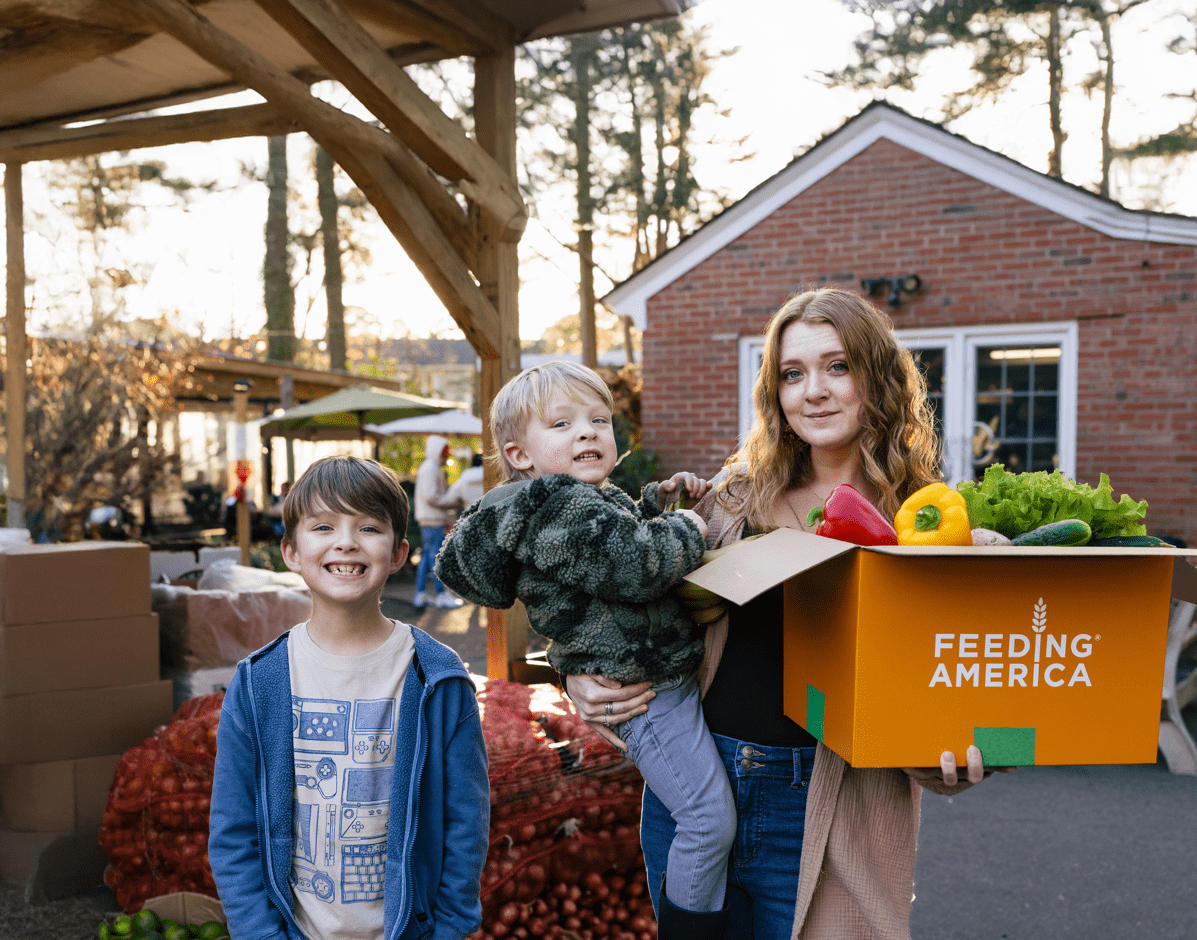
Virginia’s food banks are stepping up
Virginia’s seven regional food banks and more than 2,000 partner sites are responding to rising need in communities across the Commonwealth, from food pantries and schools to clinics and other community organizations. Together, the network distributed 172 million pounds of food in 2025.
Food banks are expanding local food purchases, working with Virginia farmers, strengthening partnerships with health care providers and using data to identify where additional support is needed.
But the charitable food network cannot replace the scale of federal assistance families are losing.
When food and health are connected, so are the solutions
Food insecurity and health are closely connected. When families have less money for food, they may buy less food or less nutritious food to make ends meet. Over time, that can make managing chronic conditions more difficult. Health problems can then make it harder to work or manage daily life, putting even more strain on household finances.
Virginia’s food banks have long worked at this intersection. Today, the network operates nearly 100 food pantries in health care settings, partners with health systems and develops “Food Is Medicine” programs that connect patients with nutritious food alongside the care and services they already receive.
- Read about Food Is Medicine in cancer care
- Learn about Capital Area Food Bank’s Food Plus Health programs
The goal is not simply to provide a box of food. It is to help people get the food they need to stay healthy, manage chronic conditions and remain stable at home.
Policy solutions that help put healthy food within reach
Meeting immediate needs is essential, but policy can also help make healthy food more accessible and strengthen household stability.
This year, the Federation of Virginia Food Banks spearheaded advocacy for increased state investment in programs that allow food banks to purchase food directly from Virginia farmers and producers. That effort helped increase funding for local food purchases from $1.6 million to $4 million next year.
That investment means more Virginia families can access healthy, locally grown produce, dairy and protein while farmers and producers gain a reliable market for their food.
- In the past three months alone, food banks distributed 300,000 pounds of Virginia-sourced products, including eggs, milk, and 18 varieties of fruits and vegetables
- Read more about how our blue catfish purchase provides healthy local protein, supports Virginia fishers, and helps address an invasive species in the Chesapeake Bay
At the same time, rising costs make it harder for food banks to purchase the volume of healthy food communities need. And as SNAP and Medicaid changes under H.R. 1 take effect, charitable organizations will be asked to do more with limited resources.
Federation Executive Director Eddie Oliver has emphasized that community response and policy solutions must work together:
“The charitable food system can help fill a gap, and Virginia’s food banks are doing everything we can to meet the growing need,” says Executive Director Eddie Oliver. “But we cannot replace SNAP for hundreds of thousands of Virginians. As more families turn to food banks and pantries, we need immediate community support to keep food moving today, along with long-term policy solutions that make sure families can afford food and access the healthcare they need.”
- Learn more about the Federation’s invitation to Governor Spanberger’s roundtable with community leaders to plan for the impacts of H.R. 1
- Food banks are hosting bipartisan elected officials to see the growing need firsthand, including Rep. Bobby Scott’s recent visit to the Foodbank of Southeastern Virginia and the Eastern Shore
What happens next matters
The effects of H.R. 1 are still unfolding. More Virginians are losing food assistance. More families will navigate changes to health coverage. And food banks and community partners are being asked to meet growing need with limited resources.
Virginia’s food banks will continue working to meet the need today and reduce the need in the future. But this cannot rest on food banks alone.
Virginians can support their neighbors now while also speaking up for policies that help families afford food, access health care and stay healthy.
Help today
- Support Virginia’s food banks. Your gift helps food banks purchase, transport and distribute food as demand rises. Give today →
- Find food assistance. Virginia’s food bank network connects people with food assistance throughout the Commonwealth. Find food near you →
- Speak up. Join No Kid Hungry’s campaign and contact your members of Congress to share how changes to SNAP and Medicaid are affecting your community. Contact your legislators →
- Refuel with a look at what’s working across Virginia. The news may be heavy, so take a moment to discover the people and ideas shaping a brighter future. See the good news →
Virginia’s food banks are doing more to meet growing need, while communities across the Commonwealth are finding ways to move forward. With more families needing help and fewer resources available, that support matters now more than ever.